Unique Program Helps Older Adults Grappling with Both Addiction and Mental Illness
The first time Keith B. walked through the door of Rypins House, a residential treatment home for older adults run by the Progress Foundation in San Francisco, he thought to himself: “Where is everyone?”
A former luxury car salesman and behavioral health worker, the 60-year-old had spent years cycling in and out of institutions – detox centers, hospitals, homeless shelters. They were usually crowded and noisy, with lots of yelling. He was always on alert, afraid people would steal from him. Keith lives with bipolar disorder and took to self-medicating with street drugs back in the 90s. But as he aged, he wanted a calm space to sort his life out. Start making plans to get a hip replacement. Acquire his real estate license. Go back home to Philadelphia.
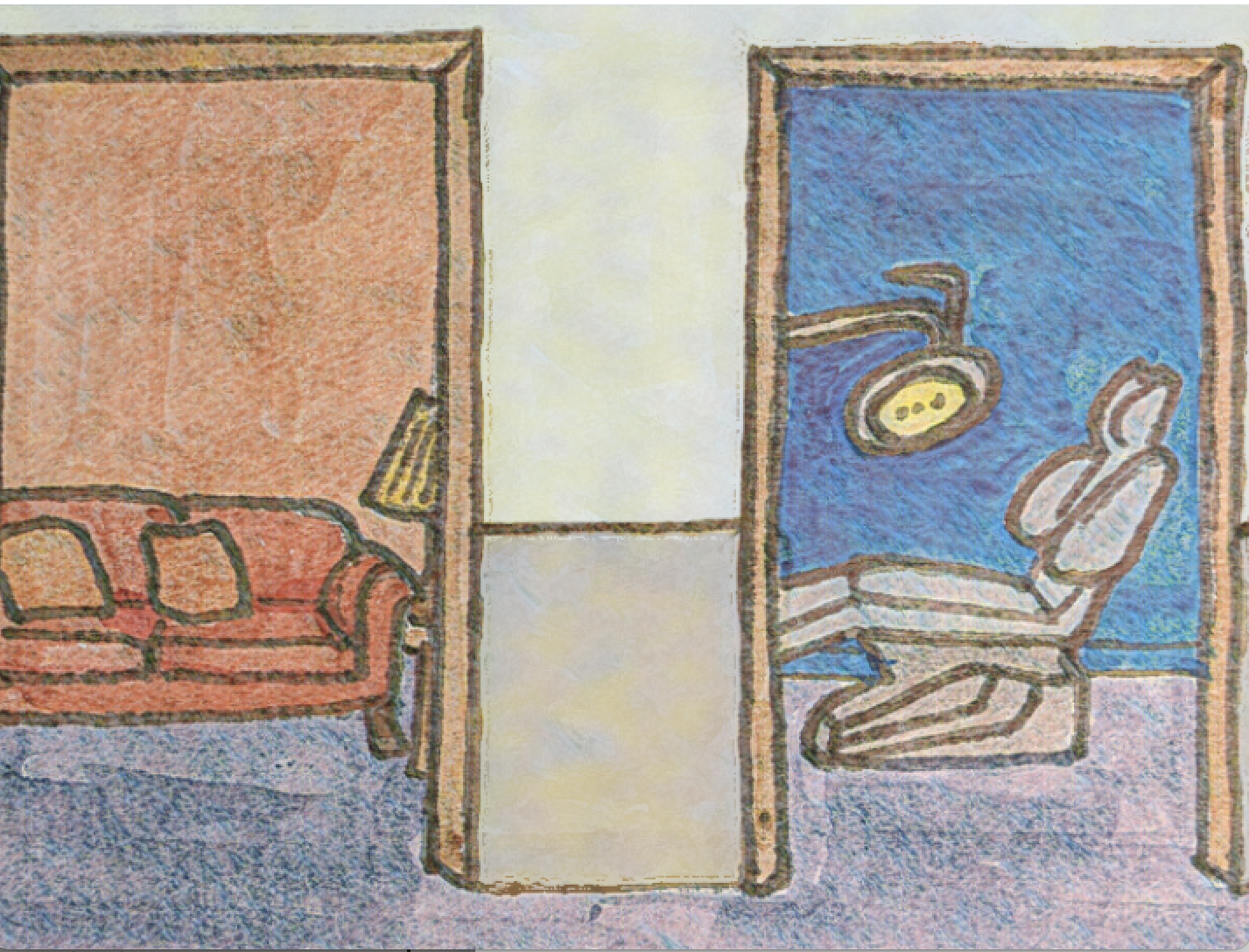
Keith came to Rypins House in August last year after a drug relapse that left him on the streets of San Francisco for four days, unable to sleep. He first sought help from the Dore Urgent Care Clinic, another Progress Foundation facility that offers a place for people to stay and get help for a few days when they’re in a crisis. It’s a gentler, cheaper alternative to an emergency room visit. From there, he was given a bed for up to six months at Rypins, a butter-yellow Victorian house in a neighborhood far from the Tenderloin, where he doesn’t owe drug dealers money and has a better shot at staying clean.
More than 1 million California adults like Keith – and 19.4 million Americans – live with both a serious mental illness and substance use disorder. In fact, roughly half of all people with severe mental illness are thought to also have a co-occurring substance use disorder. Traditionally, treatment programs target one of these populations or the other. Progress Foundation is one of the few across the country serving people who have both – so-called dual diagnosis patients. What’s especially unusual is that two Progress homes are reserved for people 55 and older.
One of his first nights in the house, Keith was sitting in the living room all by himself watching ‘Coming to America.’ He put the movie on pause to go to the bathroom and when he came back, nobody had sat in his chair or taken the remote control.
“It just hit me like, ‘Wow, I’m really in a peaceful, quiet environment,’” he said. “I’d almost gotten used to the chaos of the street and institutions. They’re not good places to heal. This place doesn’t feel like a program. It feels more like a home.”